
Professor Jason Ivanusic
Professor Ivanusic is a teaching and research academic in the Department of Anatomy and Physiology at the University of Melbourne. His research is focused on understanding the molecular and physiological mechanisms that contribute to pain derived from skeletal tissues, or of trigeminal origin, with a view to identifying targeted ways to treat it. He enjoys overcoming significant challenges that arise when working with skeletal tissues and heads the only group in the world that is currently using electrophysiology to record directly from sensory neurons that innervate bone. He is also actively engaged in a program of work that explores mechanisms of pain management using ultrasound-guided nerve blocks, and which directly informs clinical practice in anaesthesia. When he’s not in or around the lab, he spends a lot of his time sharing his passion for teaching anatomy.
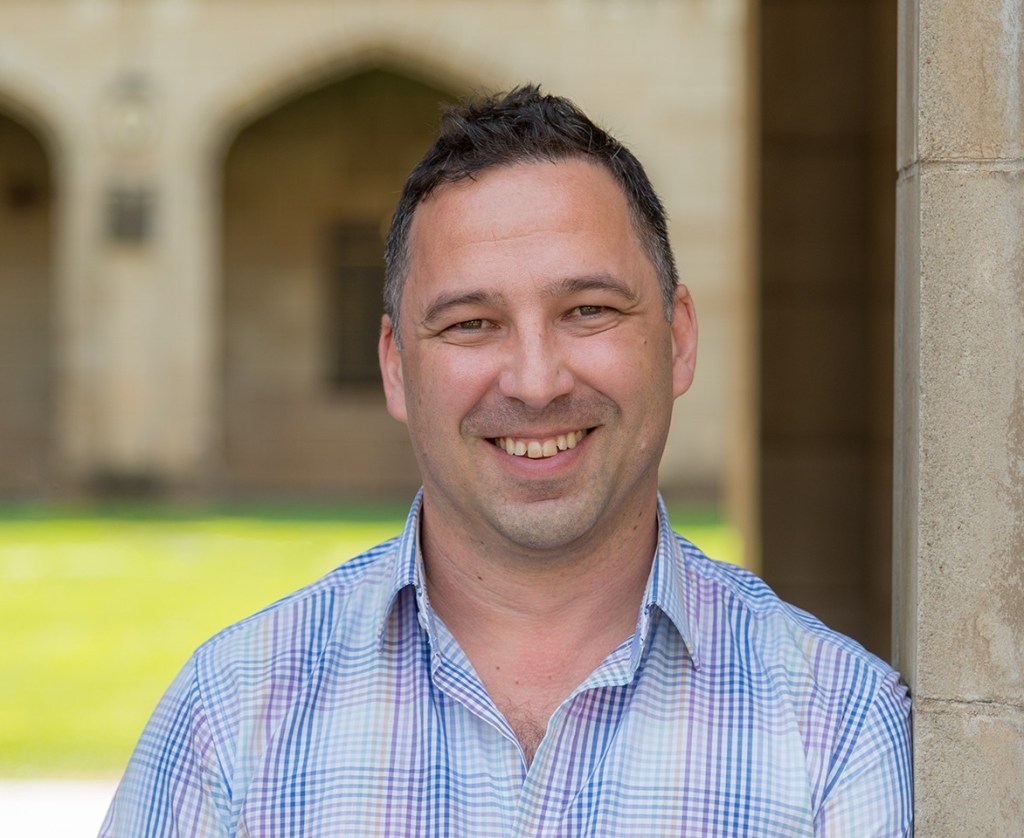
Associate Professor Susan Hua
Associate Professor Hua is a teaching and research academic in the Discipline of Pharmacy at the University of Newcastle and has been a registered clinical pharmacist in Australia for over 20 years. She is the Head of the Therapeutic Targeting and Translational Nanopharmaceutics Research Program at the University of Newcastle, and Director of the Translational Pharmaceutics & Medical Technologies Theme for the Precision Medicine Research Program at the Hunter Medical Research Institute (HMRI). Susan independently established the first translational nanopharmaceutics laboratory and research program in the Hunter New England and Central Coast region. Her research program focuses on improving the way we treat patients through the development of more effective and safer medications and diagnostic agents. Susan’s research expertise covers the areas of advanced pharmaceutical science, in vitro (cellular and molecular) and ex vivo (tissue) evaluation, and in vivo animal studies (pharmacokinetics, biodistribution, safety, efficacy).

Associate Professor Nicholas Veldhuis
Associate Professor Veldhuis is a research focussed co-group leader at the Monash Institute of Pharmaceutical Sciences. His group has a broad interest in analgesic drug discovery and neuro-immune interactions that influence pain and neuroinflammation. In the discovery space, he utilises super-resolution microscopy and multi-omics approaches to gain new insights into mechanisms that drive chronic pain in patients with Dystrophic Epidermolysis Bullosa (DEB). This includes studies in patient samples and a unique mouse model of DEB, to identify novel targets that could lead to safe and effective treatments for DEB pain. His interest and expertise in drug delivery and nanomedicine began with studying signalling and trafficking relationships of TRP ion channels and neuropeptide GPCRs. With increasing evidence that many “cell surface” receptors could promote neuro-excitability from internal cellular sites, for >10years he has worked closely with medicinal and polymer chemists to develop lipid conjugates and nanoparticle technologies that can direct drugs specific subcellular regions and enhance drug efficacy. These activities have led to numerous industry partnerships, 1 licensed patent to date, and a larger training program around nanomedicines for pain.

Associate Professor Wendy Imlach
Associate Professor Imlach is the head of the Pain Mechanisms lab at Monash University, in the Department of Physiology and Monash Biomedicine Discovery Institute. Wendy and her team investigate changes in the nervous system that drive and maintain chronic pain states. Wendy’s work focuses on the excitability and control of neuronal signalling within spinal cord pain pathways to understand the origin and persistence of pathological pain. Her goal is to identify novel therapeutic targets and more effective treatments for neuropathic pain conditions.

Associate Professor Gila Moalem-Taylor
Associate Professor Moalem-Taylor graduated with a PhD from the Weizmann Institute of Science and completed a Rothschild Postdoctoral Fellowship at the University of Cincinnati Medical Centre, USA. She then joined the University of New South Wales (UNSW), Sydney, where she received the Vice-Chancellor’s Postdoctoral Fellowship (2004-2007) and the NSW Science and Medical Research Career Development Fellowship (2010-2013). In 2014, she became a combined track (teaching & research) academic in the Department of Physiology at UNSW, leading the Neuroimmune Pain Research Group. Her research focuses on immune cell roles in chronic pain, nerve injury, autoimmune diseases, and chemotherapy-induced neuropathy.

Doctor Felicity Han
Dr Han is a Research Fellow at the University of Queensland. Her research interests sit at the interface of drug delivery and the pain field. Her overarching research goal is to improve the quality of day-to-day life of patients suffering from chronic pain, by applying nanotechnology to the development of novel highly effective pain-killer products for improving chronic pain management. Felicity’s research is focusing on nano-based drug formulation and development to improve chronic pain management. She has a broad and unique background in both pharmacology and drug delivery systems, with specific expertise in the development of novel drug products and testing their analgesic efficacy and safety including pharmacokinetic and pharmacodynamic studies. To date, she has established five different techniques to produce painkiller–loaded nanoparticles and nanofibers aimed at improving pain relief for patients where currently available pain-killers either lack efficacy or produce dose-limiting side-effects. She has significant expertise in the use of rodent pain models to assess novel analgesics, and she received excellent training in conducting research in accordance with the stringent requirements of the Quality Management System (quality accreditations (GLP and ISO17025) from NATA). Together, her knowledge, skills and experience will facilitate the efficient translation of her research from the bench to the clinic.

Doctor Luke Grundy
Dr Grundy is a discovery scientist, and Head of the NeuroUrology Research Group at Flinders University. He is an internationally recognised expert in the functional classes of afferents that innervate the bladder, and the channels and receptors underlying their function in health and chronic pain states.
Dr Grundy’s research is at the intersection of neuroscience, urology, and oncology where he is seeking to identify novel therapeutic targets and develop the next generation of treatments for debilitating bladder pain associated with the side effects of treatment for cancer. Dr Grundy is passionate about team building and talent development to promote the next generation of Australian Neuroscientists. He manages a team of staff and students and leads projects involving academic, clinical and industry collaborators from diverse disciplines including immunology, microbiology, urology, oncology, and neuroscience.

Doctor Lipin Loo
Dr Loo is a Group Leader in RNA Therapies and also co-leads the Single Cell Biology node at the Charles Perkins Centre. Utilizing genetic screens and single-cell transcriptomics, his research program aims to identify and map transcriptional changes underlying different cellular trajectories during development and also under pathophysiological conditions such as chronic pain and neuropathy. Elucidating these orchestrated transcriptional changes will have a far-ranging impact on our understanding of disease-causing developmental aberrations, our capacity to restore normal function in damaged or diseased neurons, and our capability to generate substitute neurons from stem cells. Building on these insights, his team aims to develop novel targeted RNA therapies to treat chronic pain and other chronic diseases.

Professor Greg Neely
Professor Neely is the Head of the Functional Genomics Research Group at the University of Sydney. Hislab is focused on the systematic functional annotation of the genome. The long-term objective of his research is to identify genes and coding mutations that participate in major age-related and neurological diseases. Our overall research strategy is to combine human population genomics (GWAS or sequencing) data with high throughput functional validation in fruit flies and mammalian systems to identify new genes that contribute to human disease. His has developed novel functional genomics strategies that we use to identify genes involved in various normal or disease states. Current projects are related to heart function, pain perception, neurodegeneration, lifespan and metabolic disorders, kidney function, and cancer. In the end, our goal is to rapidly improve patient treatment, and many of the new genes we have identified appear to be viable drug targets.
 Australian NanoPain Network